MR ATTA AHMED

The series

The Evolution of English Literature

An academic project that presents English literature as a connected historical and analytical whole, rather than as something to be memorised.

The books follow the development of the literary genres and the critical schools across the different periods, concentrating on literary characteristics, the major writers, the important works, the concepts, and the intellectual shifts that shaped English literature.

The series is designed to suit candidates for the competitive examination, Master's and PhD students, and students of English literature generally, with particular care for building the comprehensive understanding a student needs to handle direct, analytical and external questions alike.

01

The Evolution of English Poetry

A Personal Critical Interpretation
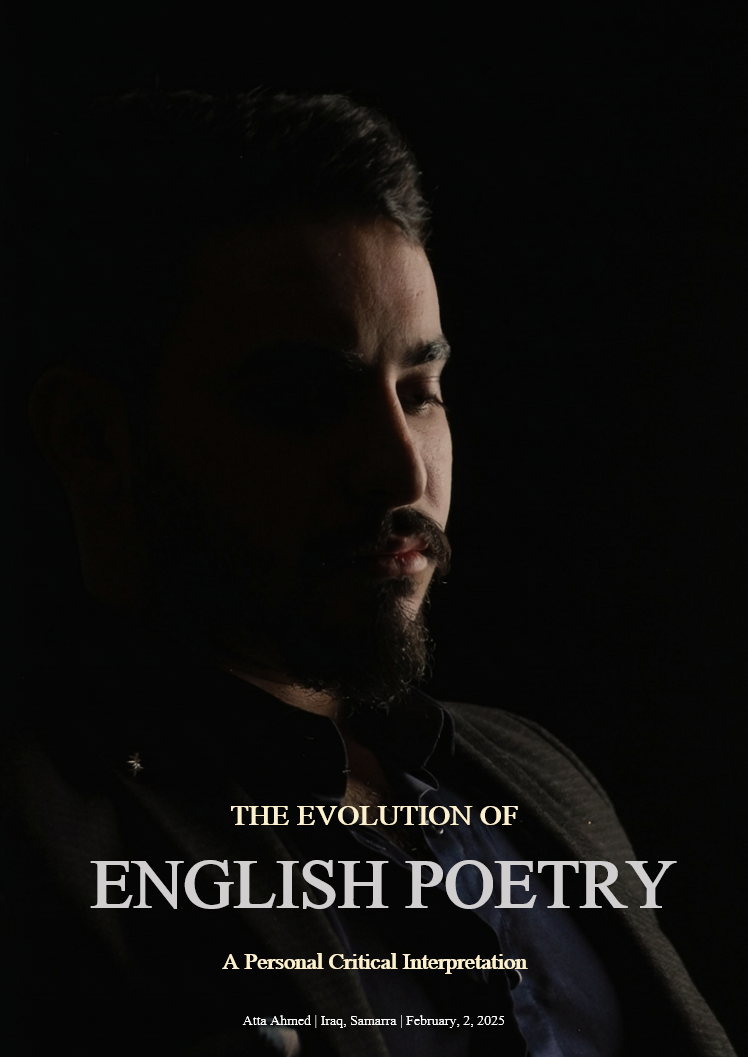
The Evolution of English Poetry
Front cover
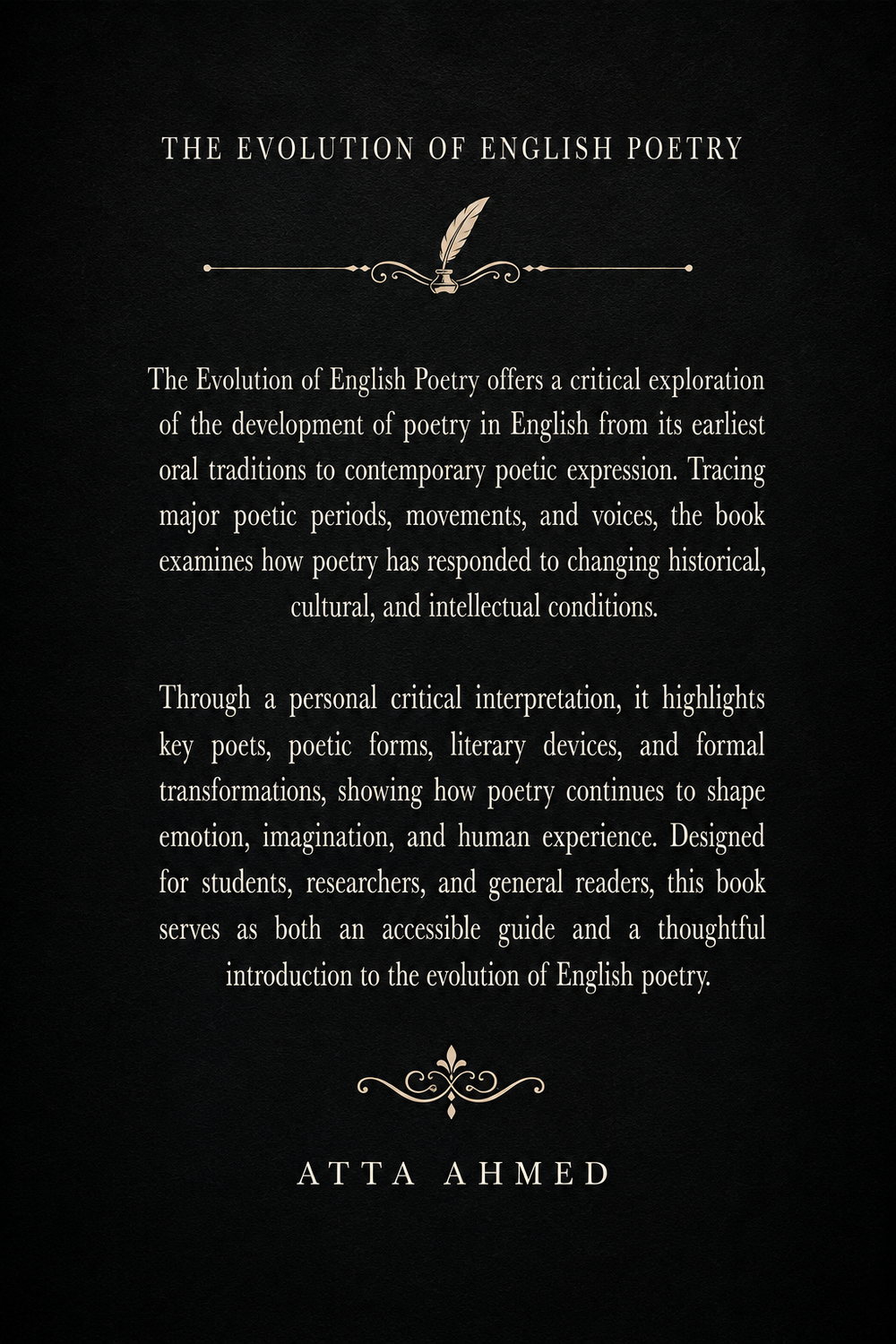
The Evolution of English Poetry — Back cover
Back cover

About the book

The Evolution of English Poetry is a comprehensive study of English verse from its earliest beginnings to modern and contemporary movements.

The book does not treat poetry as a set of poems and poets to be memorised. It sets out to show how the idea of poetry itself changed over time, and how language, purpose, style and subject shifted with historical, intellectual and social change.

What the book studies

It begins with the foundations needed to read poetry at all:

  • The concept of poetry and its characteristics
  • The elements of a poem
  • Poetic forms
  • Metre and rhyme
  • Imagery
  • Symbols
  • Simile and metaphor
  • The major literary devices
  • Core poetic themes

It then follows the development of poetry through its historical stages, from Old English Poetry through Middle English – Renaissance – Metaphysical Poetry – Neoclassicism – Romanticism – Victorian Poetry – Modernism – Postmodern and Contemporary Poetry.

What distinguishes it

The book ties together the historical period, its characteristics, the poets, the works, the ideas and the poetic styles.

A student can therefore understand why Shakespeare differs from Donne, Pope from Wordsworth, and T. S. Eliot from the Romantics, instead of studying each poet apart from the literary context that produced him.

What it helps with

  • Understanding the historical development of English poetry
  • Knowing the major poets and schools
  • Distinguishing the poetic periods
  • Understanding characteristics and styles
  • Analysing poems
  • Knowing the literary devices
  • Preparing for comparative questions
  • Preparing for competitive examination questions

Contents

  • Medieval poetry and Chaucer
  • The Elizabethan sonnet
  • Metaphysical poetry
  • Milton and the epic
  • Neoclassical verse and satire
  • The Romantic poets
  • Victorian poetry
  • Twentieth-century poetry

Suitable for Competitive Exam · MA Students · PhD Students · English Literature Students

Order it now
02

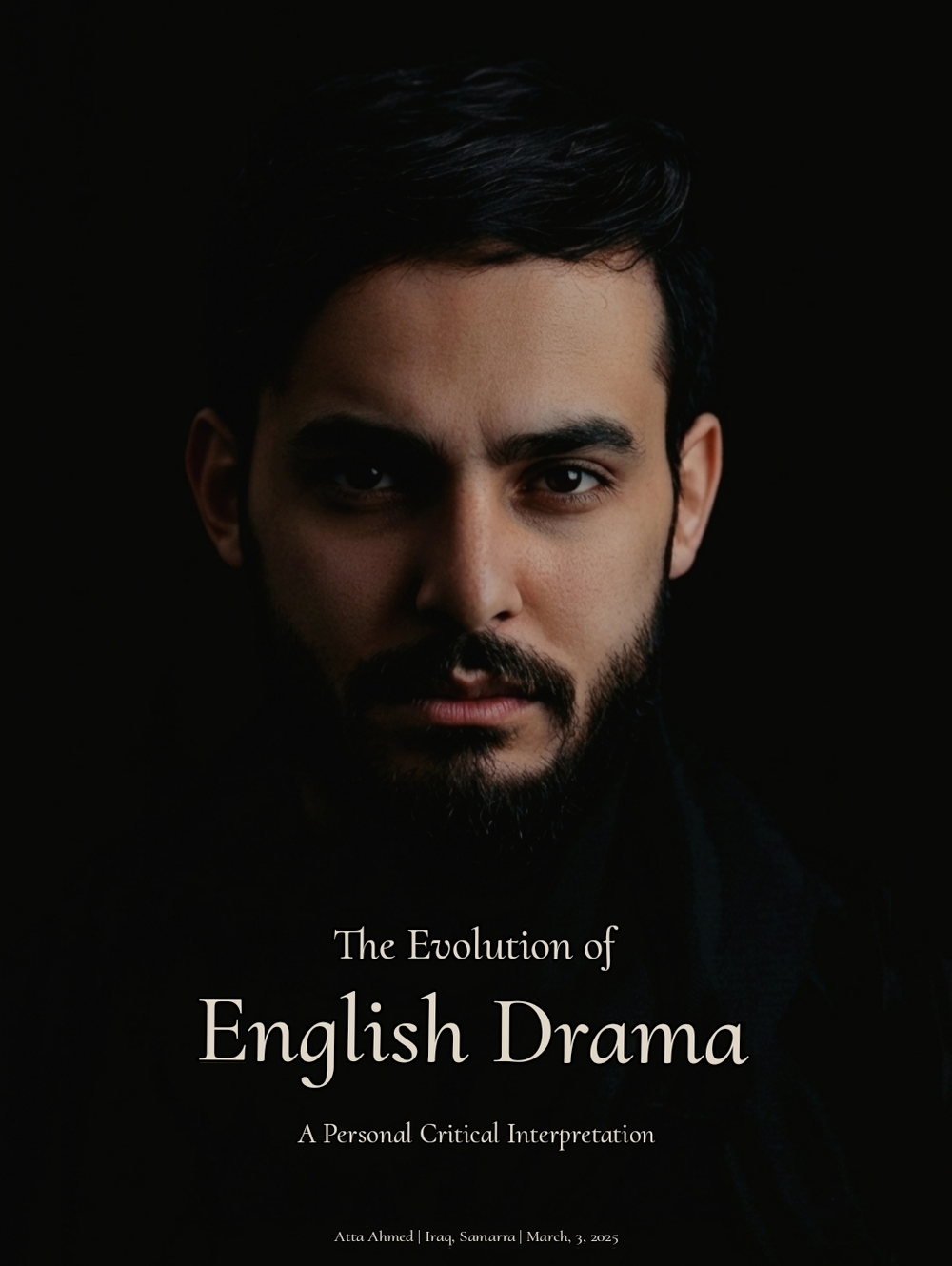
The Evolution of English Drama

A Personal Critical Interpretation

The Evolution of English Drama
Front cover
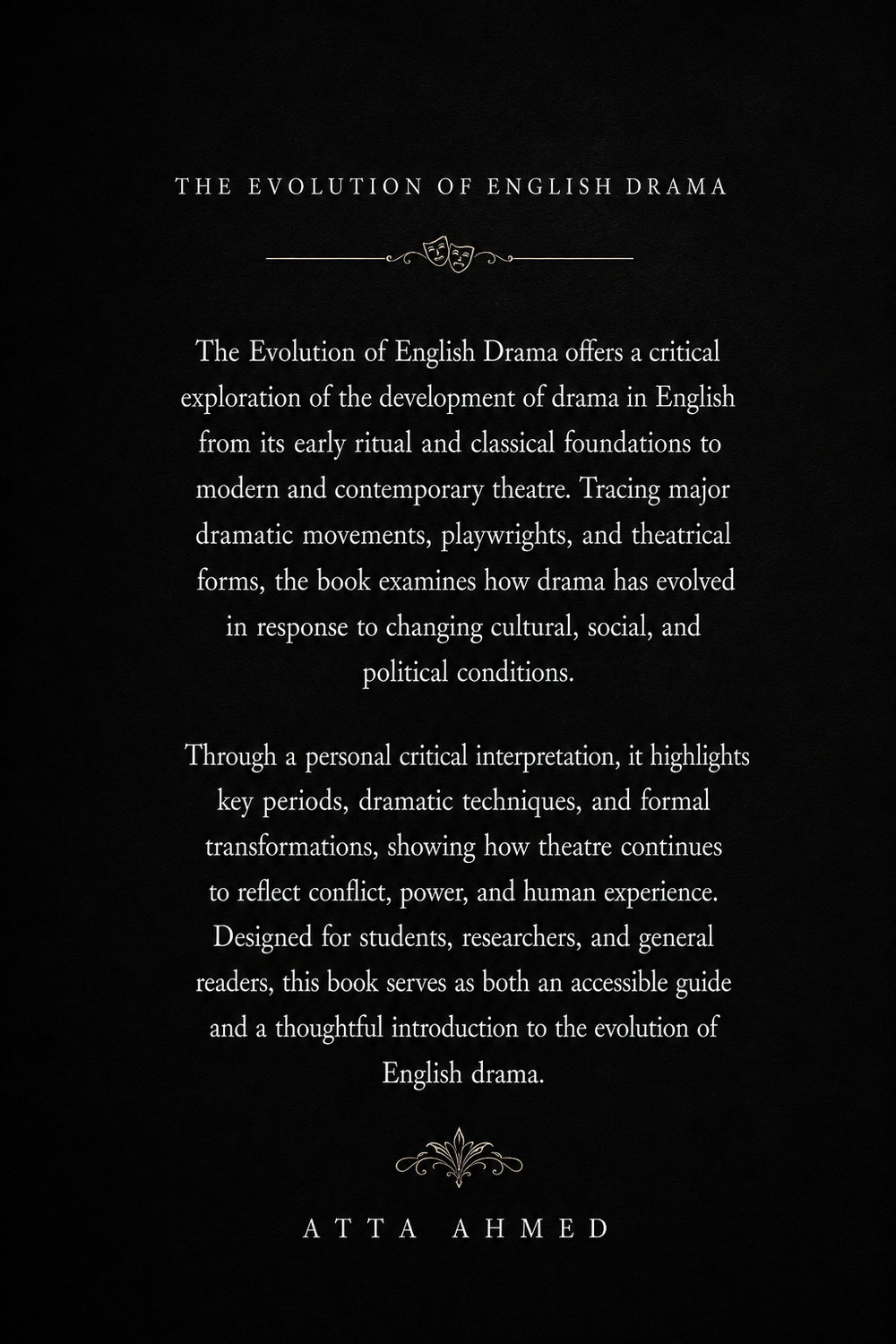
The Evolution of English Drama — Back cover
Back cover

About the book

The Evolution of English Drama is a historical and analytical study of the theatre, beginning at the earliest roots of dramatic art and moving through the stages that shaped English drama.

The aim is not to learn the names of dramatists and plays, but to understand how the theatre changed from one age to the next, and why its structure, subjects, characters and techniques changed with it.

What the book studies

It covers the fundamentals of drama:

  • The concept of drama
  • Plot
  • Character
  • Conflict
  • Setting
  • Dialogue
  • Stage
  • Tragedy
  • Comedy
  • Tragicomedy
  • Dramatic techniques

It then follows the historical development of drama from Greek Drama through Medieval – Renaissance – Elizabethan – Jacobean – Restoration – Neoclassical – Romantic – Victorian – Modern – Contemporary Drama.

Dramatists and plays

The book concentrates on the dramatists and works that shaped the theatre, making clear the relation between the writer, his age, and the dramatic school he belongs to. A play is not studied as a story alone, but through:

  • Themes
  • Conflict
  • Characters
  • Dramatic structure
  • Symbols
  • Techniques
  • Historical background
  • Critical interpretation

What distinguishes it

The book gives the student a sequential picture of theatrical history: what came before a play, what changed after it, and why a new dramatic school appeared at all.

That makes the study of drama far more connected than reading plays in isolation.

Contents

  • Mystery, miracle and morality plays
  • Marlowe and the university wits
  • Shakespeare: the four kinds
  • Jacobean drama
  • Restoration comedy
  • Eighteenth-century drama
  • The problem play and Shaw
  • Modern and absurd drama

Suitable for Competitive Exam · MA Students · PhD Students · Drama Students · English Literature Students

Order it now
03

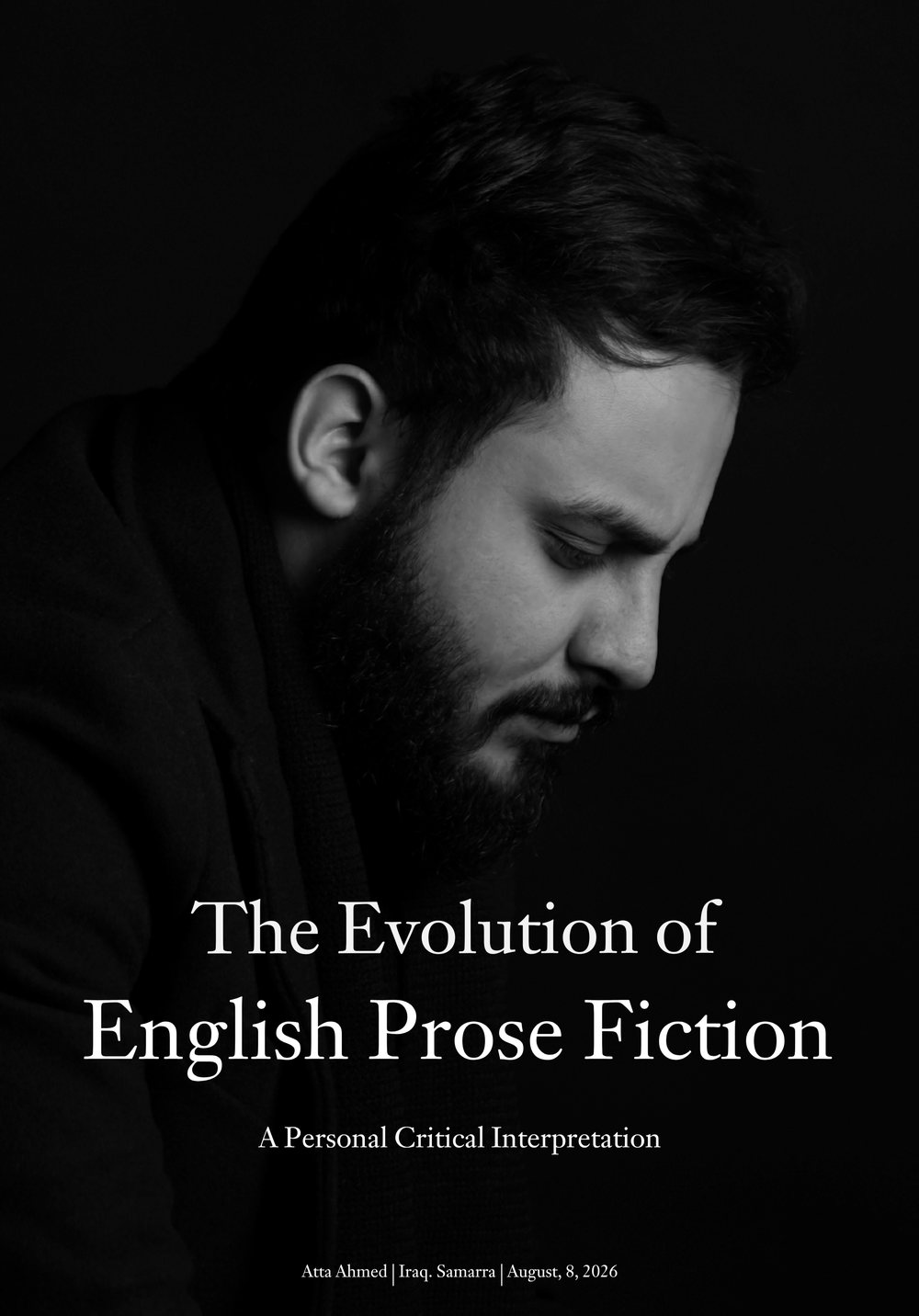
The Evolution of English Prose Fiction

A Personal Critical Interpretation

The Evolution of English Prose Fiction
Front cover
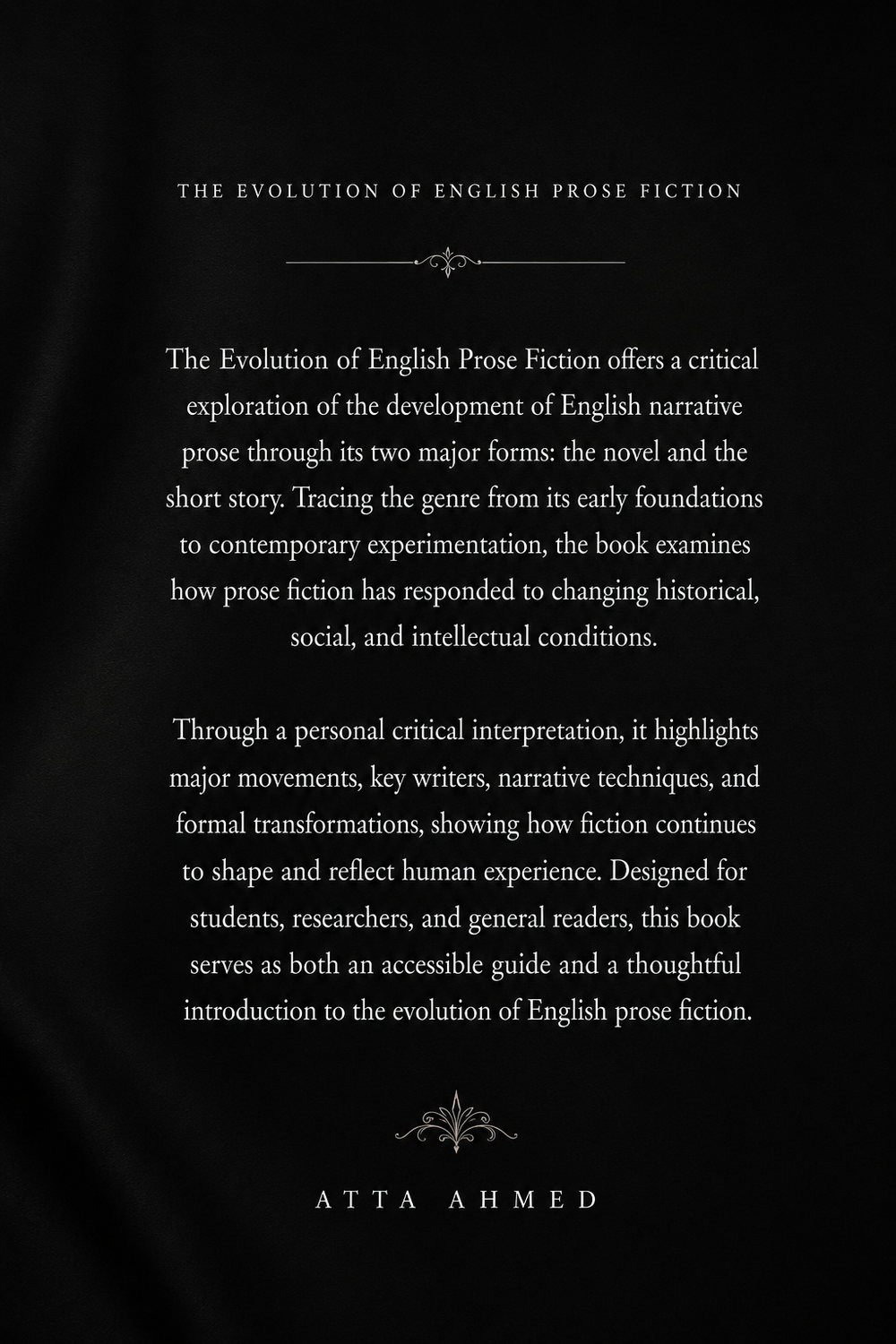
The Evolution of English Prose Fiction — Back cover
Back cover

About the book

The Evolution of English Prose Fiction traces English narrative prose through two of its most important forms: the English novel and the English short story.

Each is treated as an independent line within the book, so that a student can follow the development of the novel separately from that of the short story.

Part One · The Evolution of the English Novel

This part follows the English novel from its first stirrings to modern and contemporary fiction, covering:

  • Origins of the English Novel
  • Rise of the Novel
  • Eighteenth-Century Novel
  • Romantic Novel
  • Gothic Novel
  • Victorian Novel
  • Realism
  • Modernist Novel
  • Postmodern Novel
  • Contemporary Fiction

The focus falls on plot, characterisation, narrator, point of view, setting, themes, symbolism, narrative techniques, stream of consciousness, realism, modernism and postmodernism, alongside the novelists and works that shaped the form.

Part Two · The Evolution of the English Short Story

This part stands apart from the novel, treating the short story as a genre in its own right:

  • Origins of the Short Story
  • Development of Short Fiction
  • Nineteenth-Century Short Story
  • Modern Short Story
  • Twentieth-Century Short Fiction
  • Contemporary Short Story

It explains the qualities that separate the short story from the novel: compression, unity, limited characters, single effect, conflict, climax, epiphany, open ending and symbolism.

Why the two are in one book

Because the novel and the short story both belong to prose fiction — but the book does not blur them. The novel has its own history, characteristics, techniques and writers; the short story has its own line, structure and methods.

They are kept apart so the student can study each genre clearly, and then understand the relations and shared influences between them.

What distinguishes it

The book brings together literary history, narrative theory, the major writers, the major works, literary techniques and critical interpretation. It therefore does more than narrate the history of the novel and the short story: it builds a basis for understanding and analysing narrative generally.

Contents

  • The rise of the novel
  • Richardson, Fielding, Sterne
  • The Gothic and Romantic novel
  • Austen and the novel of manners
  • The Victorian novel
  • Naturalism and Hardy
  • The modernist novel
  • Post-war and postmodern fiction

Suitable for Competitive Exam · MA Students · PhD Students · Fiction Students · English Literature Students

Order it now
04

The Evolution of English Literary Criticism

A Personal Critical Interpretation

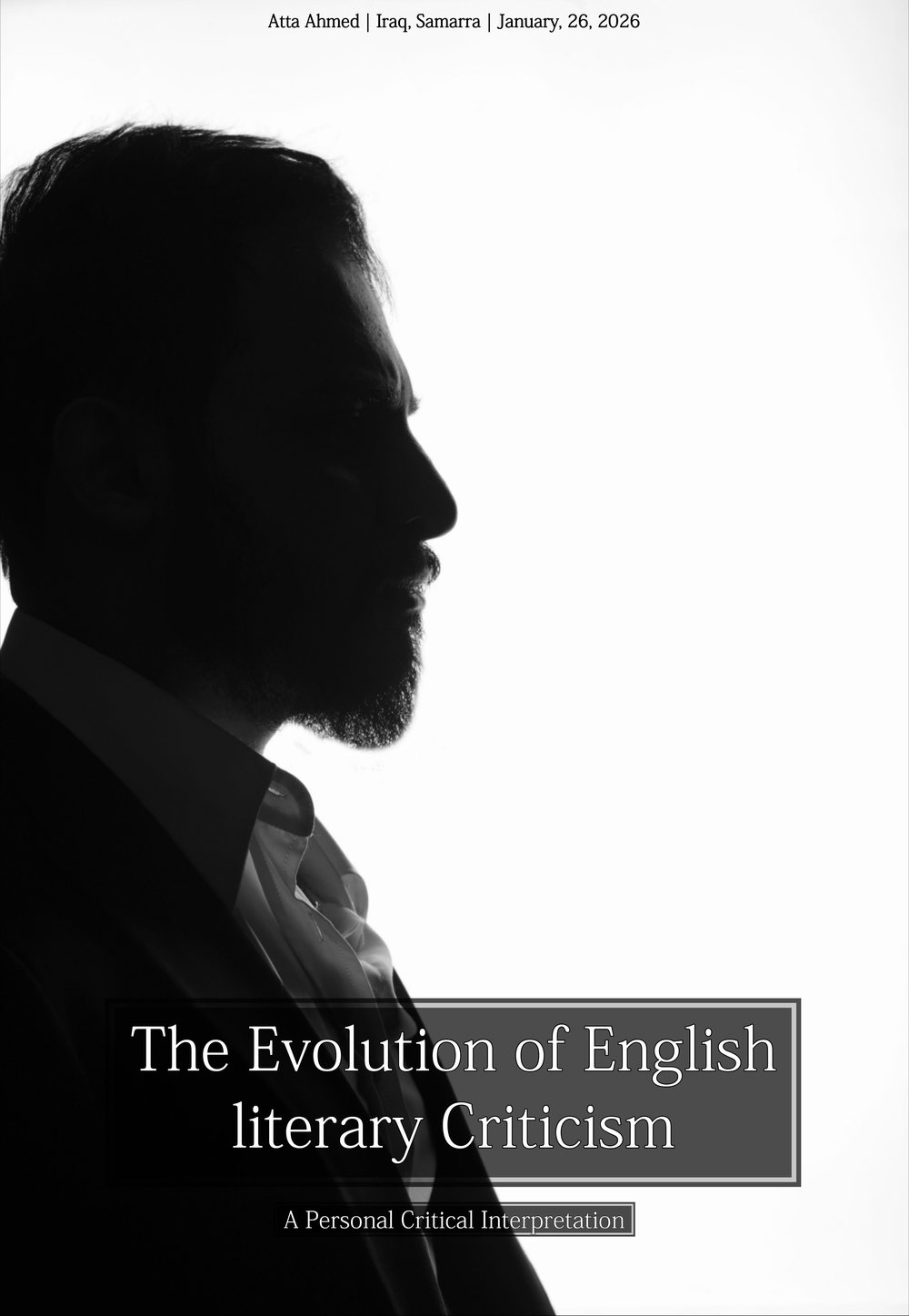
The Evolution of English Literary Criticism
Front cover
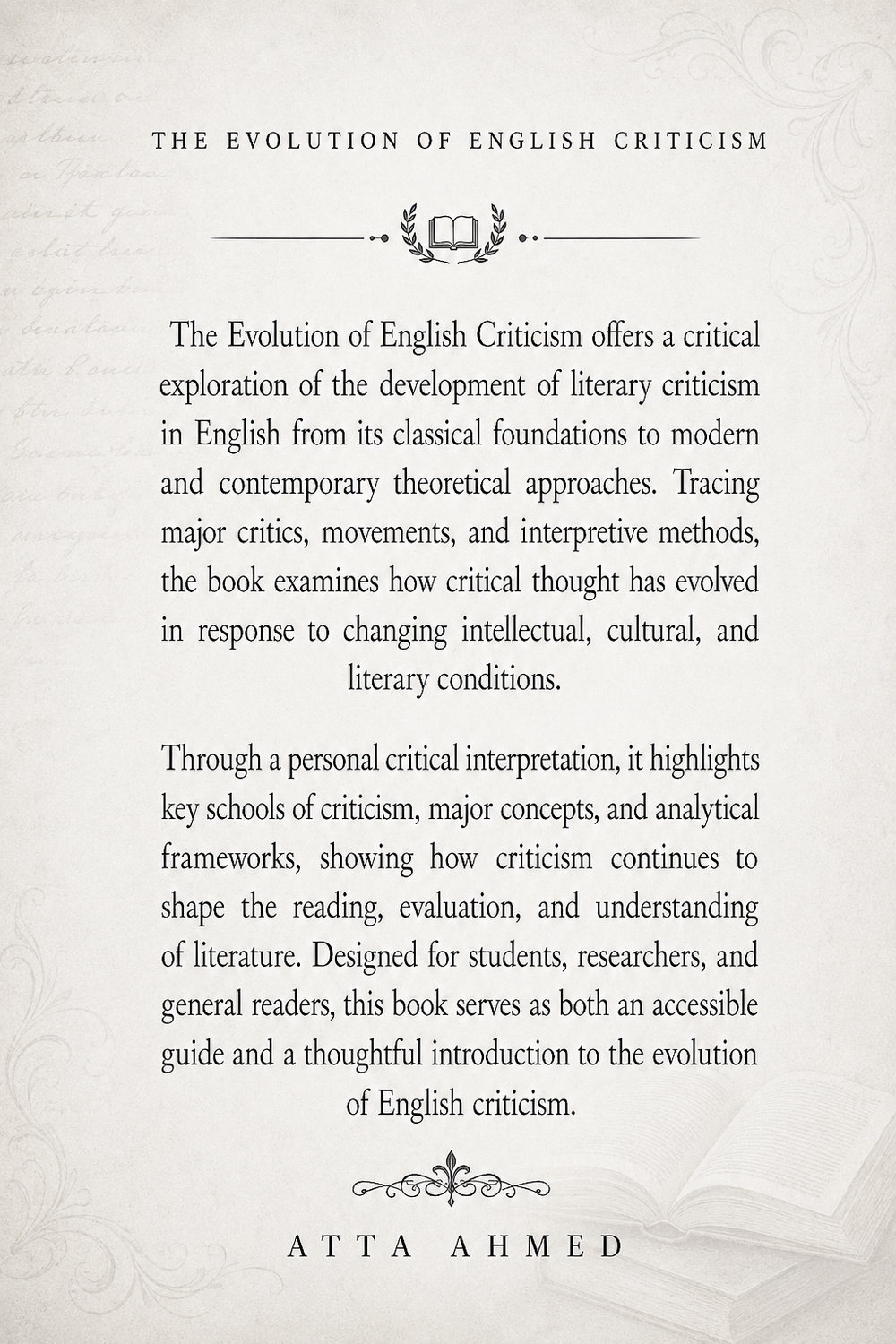
The Evolution of English Literary Criticism — Back cover
Back cover

About the book

The Evolution of English Literary Criticism is the theoretical and critical side of the series, following critical thought from its classical beginnings to the most recent schools.

The book is not concerned with memorising definitions. It sets out to answer one question: how has the way we read and interpret literature changed through history?

It begins with classical criticism — Plato, Aristotle, Horace — and follows the major turns in criticism through to the modern and contemporary schools.

The schools it covers

  • Classical Criticism
  • Renaissance Criticism
  • Neoclassical Criticism
  • Romantic Criticism
  • Victorian Criticism
  • Modern Criticism
  • Formalism
  • New Criticism
  • Structuralism
  • Post-Structuralism
  • Deconstruction
  • Psychoanalytic Criticism
  • Marxist Criticism
  • Feminist Criticism
  • Reader-Response Criticism
  • New Historicism
  • Postcolonial Criticism
  • African-American Criticism
  • Cultural Criticism
  • Ecocriticism
  • Postmodern Criticism

School — critic — concept

Each school is presented along three axes:

  • Deconstruction — Jacques Derrida — Différance
  • Psychoanalysis — Sigmund Freud — the Unconscious
  • Marxism — Karl Marx — class conflict
  • Feminism — Elaine Showalter — gynocriticism
  • Postcolonialism — Edward Said — Orientalism
  • New Historicism — Stephen Greenblatt — power and cultural context

This lets the student hold theory, theorist and central concept together.

What distinguishes it

Criticism is the part of literature whose concepts students most often confuse, so the book organises its development as a sequence:

  • Where did the idea begin?
  • Who developed it?
  • What did it object to?
  • What concept did it offer?
  • How is it used in reading a text?

The critical schools stop being a scatter of terms and become a connected system of thought.

Contents

  • Plato and Aristotle
  • Horace and Longinus
  • Renaissance criticism and Sidney
  • Dryden and the neoclassical critics
  • Johnson and the Romantics
  • Arnold and Victorian criticism
  • Eliot and the New Criticism
  • Modern theory and its schools

Suitable for Competitive Exam · MA Students · PhD Students · Literary Criticism Students · Researchers

Order it now

What distinguishes the series as a whole

These books are not quick summaries of English literature. They are a project aimed at building a complete map of the subject, through which a student can connect:

History → Literary Period → Genre → Writer → Work → Characteristics → Literary Technique → Critical Interpretation

Three ways to use it

01

For the competitive examination

To build a comprehensive base for handling MCQs, external questions and comparisons.

02

For postgraduate study

As an organised way in, helping the student revise literary history, the concepts, the schools and the genres.

03

For general study

For anyone who wants a connected understanding of how English literature developed, rather than scattered facts without context.

Learn MoreThink BetterCreate MoreGo FurtherStay CuriousKeep LearningThink AheadDream Bigger

Registration

One form. Everything else by email.