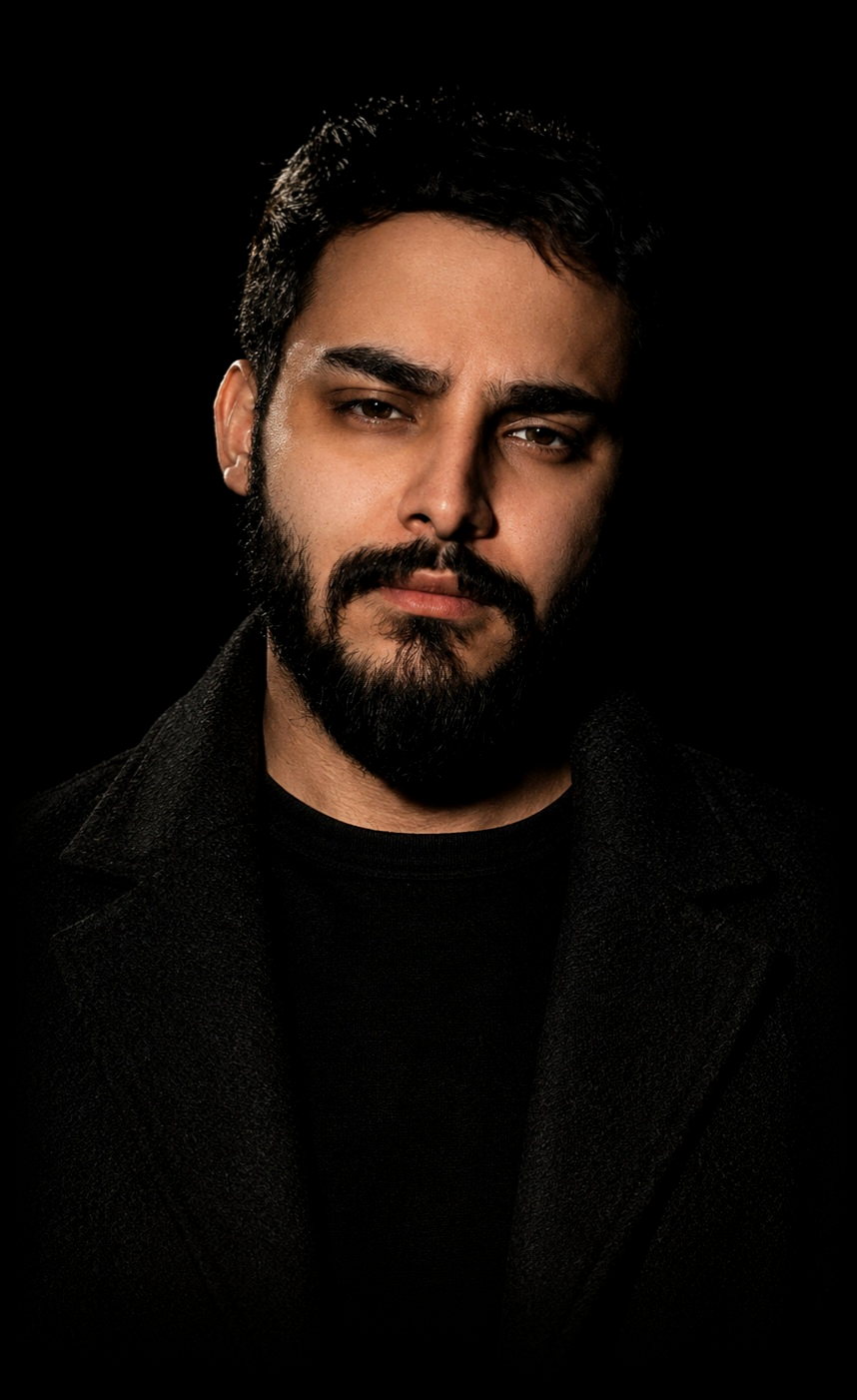
Atta Ahmed
- Writer
- Painter
- Academic Lecturer
- Entrepreneur
A complete academic body of work in English literature and literary criticism, giving a solid grounding in how the literature developed and in its principal schools and movements, aimed directly at what the competitive examination and postgraduate study require.
- 400+Students taught
- 5+Years of teaching
- 4Volumes published
- 44Places per cohort

Books
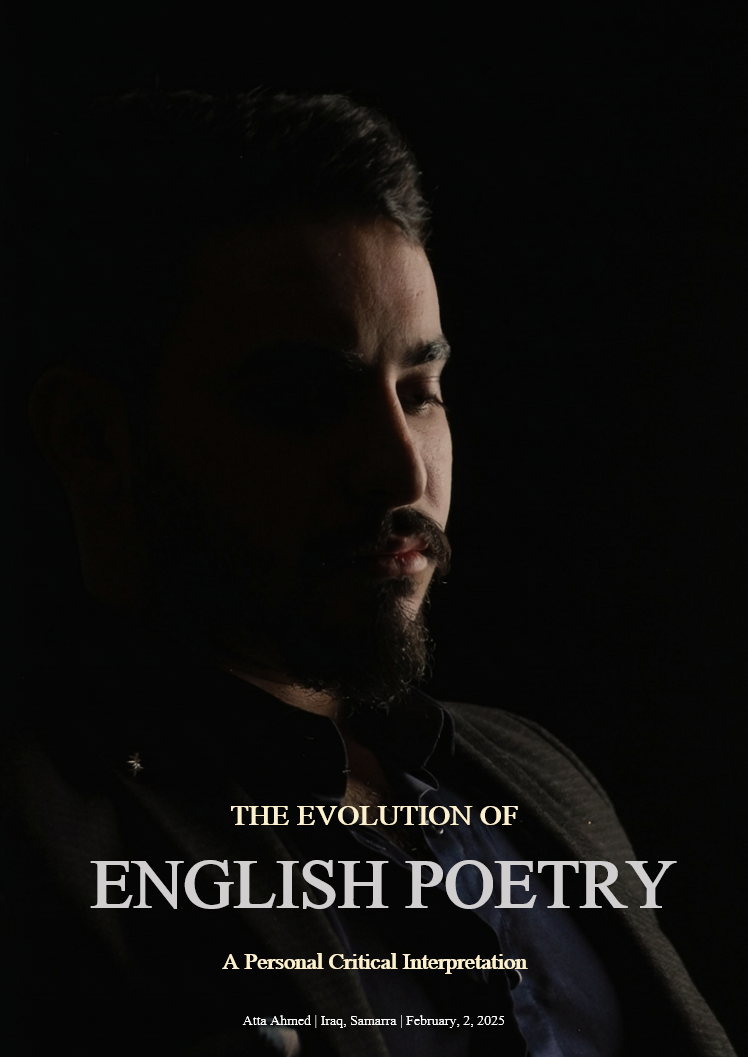
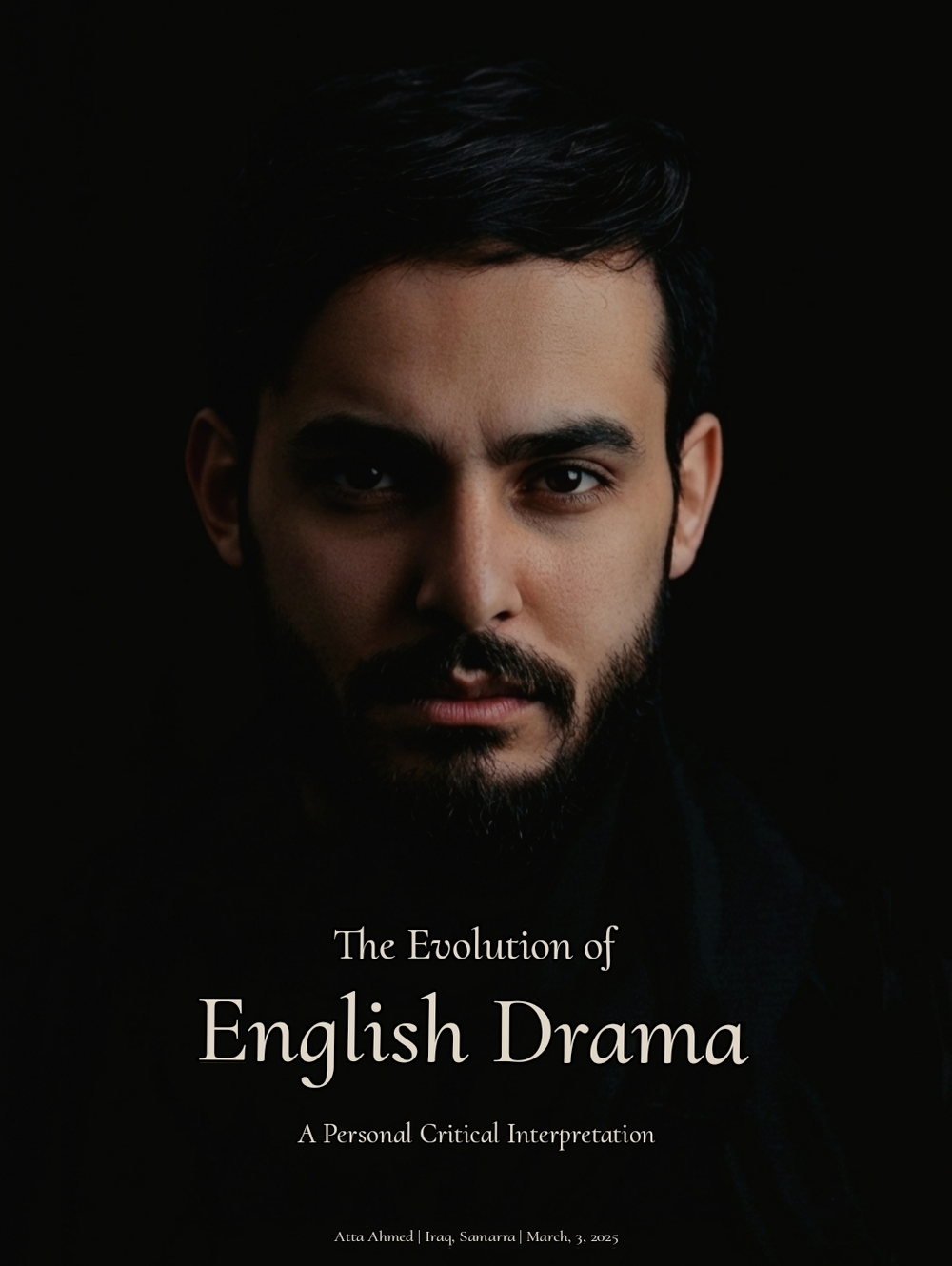
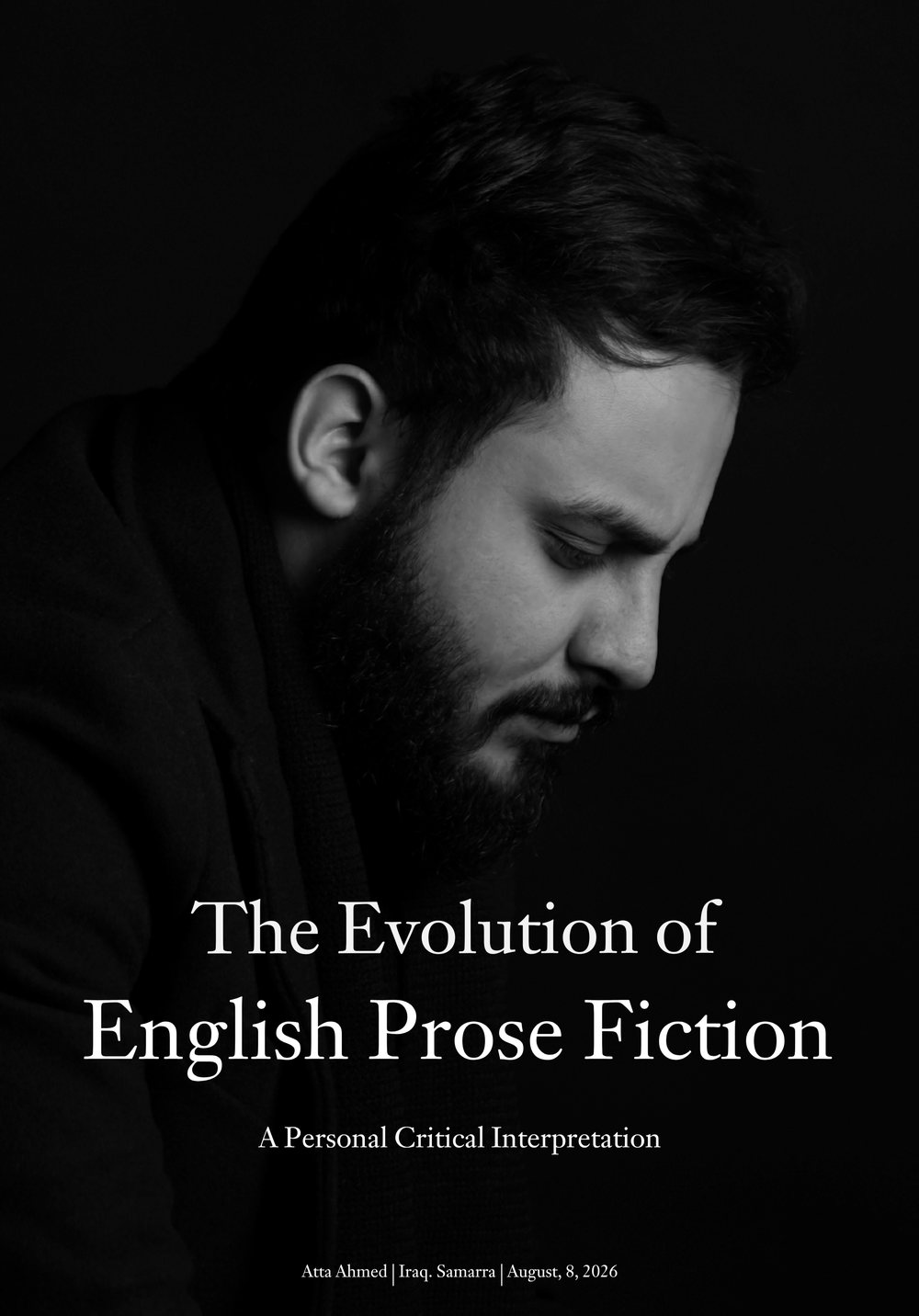
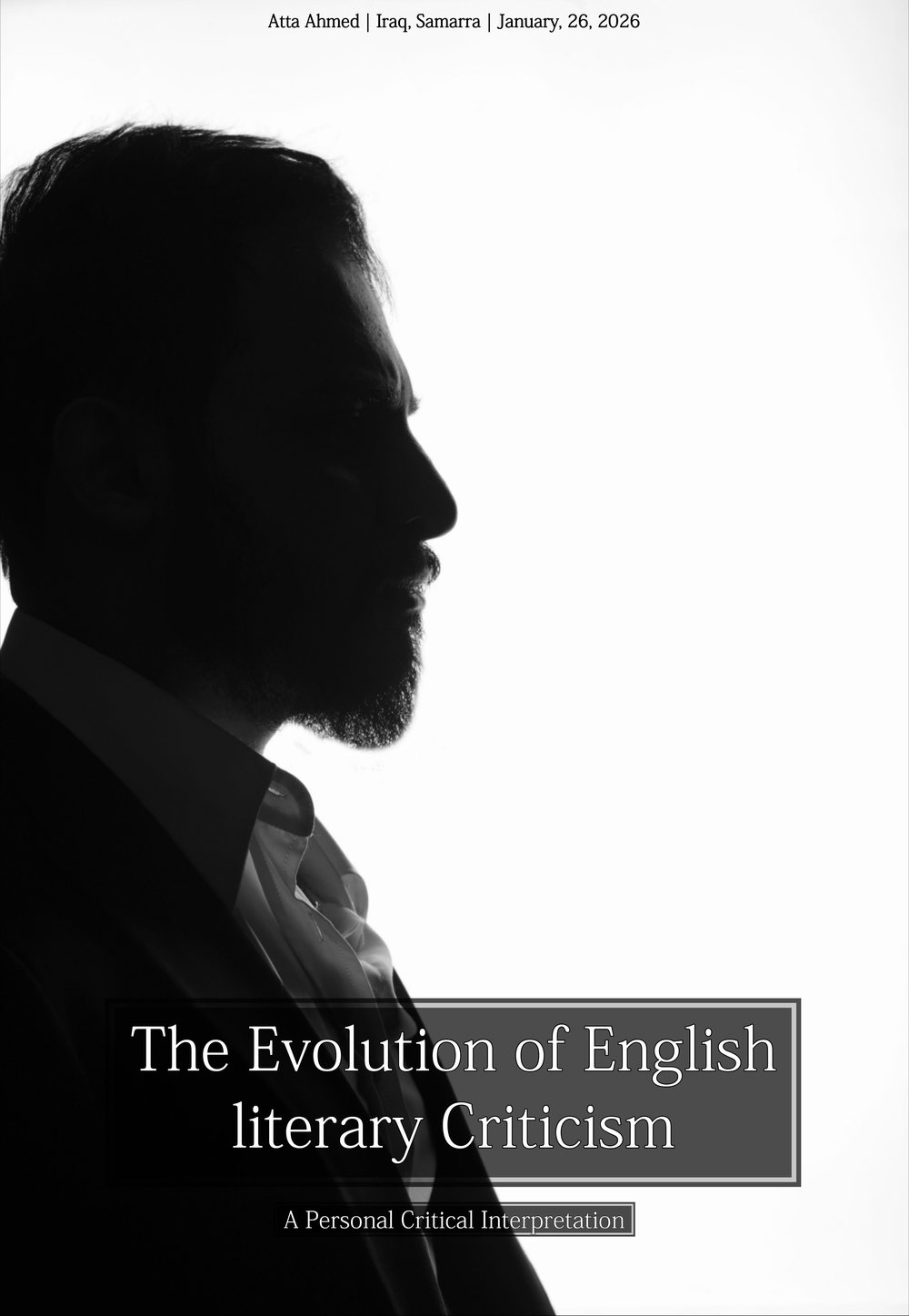
The Evolution of English Literature
An academic project that presents English literature as a connected historical and analytical whole, rather than as something to be memorised.
Fiction
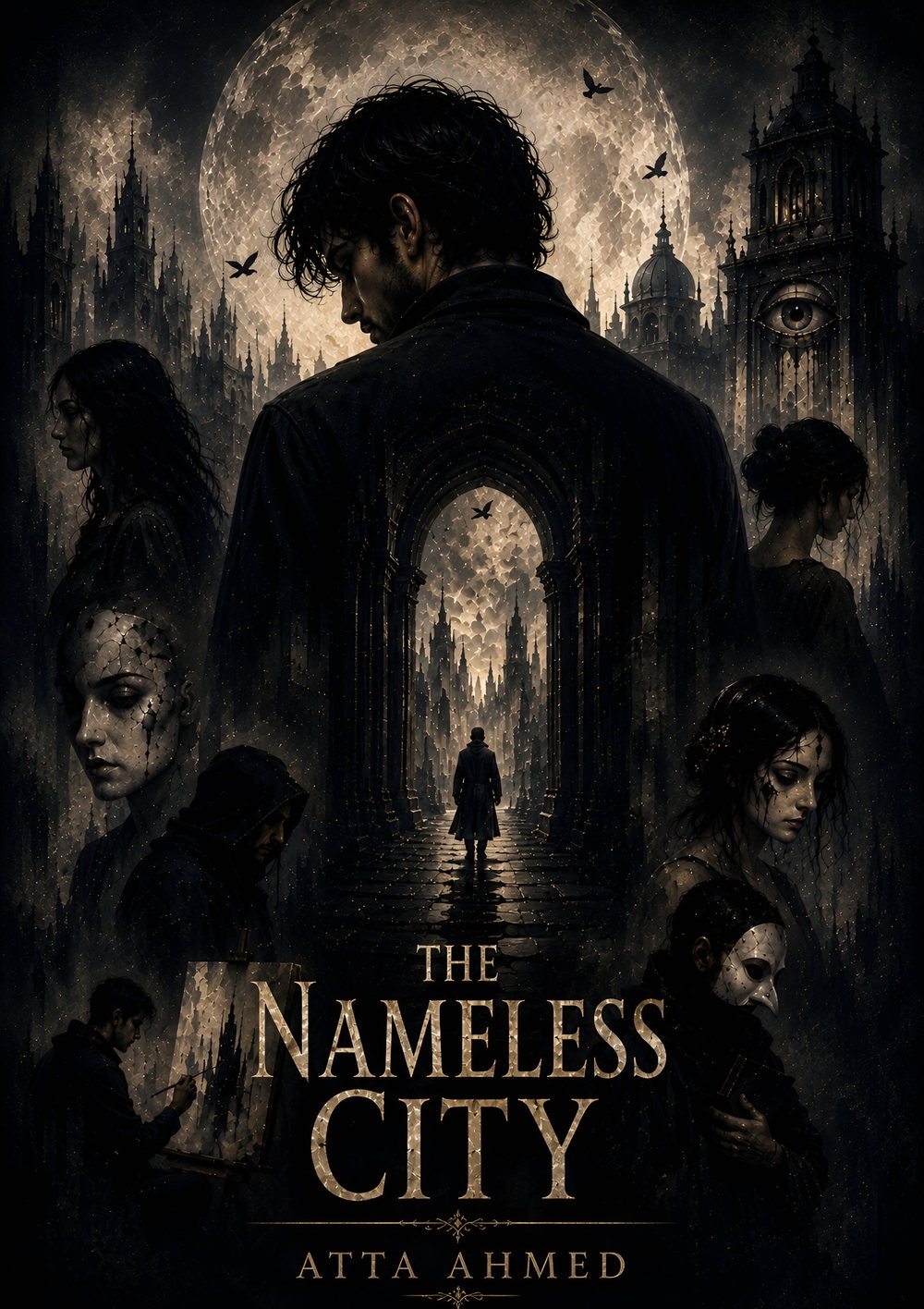
The Nameless City
A novel of psychological mystery and philosophical fantasy · 22 chapters
A city where names have been taken away, and a man who goes looking for his own.
The novel is not part of The Evolution of English Literature and is not included in the programme.
Postgraduate admission · Master's & PhD
The Competitive Examination Programme
English literature studied in six months.
A complete, intensive course preparing candidates for the competitive examination. It covers English literature through its periods and its principal fields, alongside a revision of the undergraduate material.
Registration open
- Duration
- 6 months
- Lectures
- 5 lectures each week
- Total lectures
- ≈ 120 lectures
- Places
- 44
- Dates
- Begins 1 January 2027 · Registration closes 12 December 2026
The fields covered
- English Poetry
- Drama
- Narrative & Fiction
- Literary Criticism
- Revision of the undergraduate subjects
- Who it is for
- Students and graduates of English departments in every Iraqi university.
- Delivery
- Live online lectures.
- Language
- English, with Arabic clarification where a concept needs it.
The cohort is deliberately small, so that every piece of written work can be read and answered individually. Registration closes the moment the last place is taken.
Who it is for
- Graduates of English departments preparing for the competitive examination
- Candidates applying for a Master's degree in English Literature
- Candidates applying for a PhD who need a complete, ordered revision
- Teachers and readers who want the literature understood rather than memorised
What you will study
Eight units, in order, across six months.
The whole field — not a selection of it. Open a unit to see what it covers.
- Medieval poetry and Chaucer
- The sonnet and the Elizabethans
- Metaphysical poetry
- Milton and the epic
- Neoclassical verse and satire
- The Romantic poets
- Victorian poetry
- Twentieth-century poetry
- Mystery, miracle and morality plays
- Marlowe and the university wits
- Shakespeare: tragedy, comedy, history, romance
- Jacobean drama
- Restoration comedy
- Eighteenth-century drama
- The problem play and Shaw
- Modern and absurd drama
- The rise of the novel
- Richardson, Fielding, Sterne
- The Gothic and Romantic novel
- Austen and the novel of manners
- The Victorian novel
- Naturalism and Hardy
- The modernist novel
- Post-war and postmodern fiction
- Origins of the short story
- Poe and the tale
- The Victorian short story
- Modernist short fiction
- Narrative technique
- Point of view and voice
- The essay tradition
- Non-fictional prose
- Classical criticism: Plato and Aristotle
- Horace and Longinus
- Renaissance criticism and Sidney
- Dryden and neoclassical criticism
- Johnson and the Romantic critics
- Arnold and Victorian criticism
- Eliot and the New Critics
- Contemporary criticism
- Formalism and structuralism
- Marxist criticism
- Psychoanalytic criticism
- Feminist criticism
- Post-structuralism and deconstruction
- Postcolonial theory
- Reader-response theory
- New Historicism
- Literary periods in order
- Major writers by period
- Major works and dates
- Movements and manifestos
- Historical and intellectual background
- Influence and inheritance
- Comparative reading
- Chronology drills
- Literary terms and definitions
- Competitive MCQs by topic
- External and previous questions
- Analysis and interpretation questions
- Timed writing
- Comprehensive revision cycles
- Cumulative testing
- Full mock competitive examinations
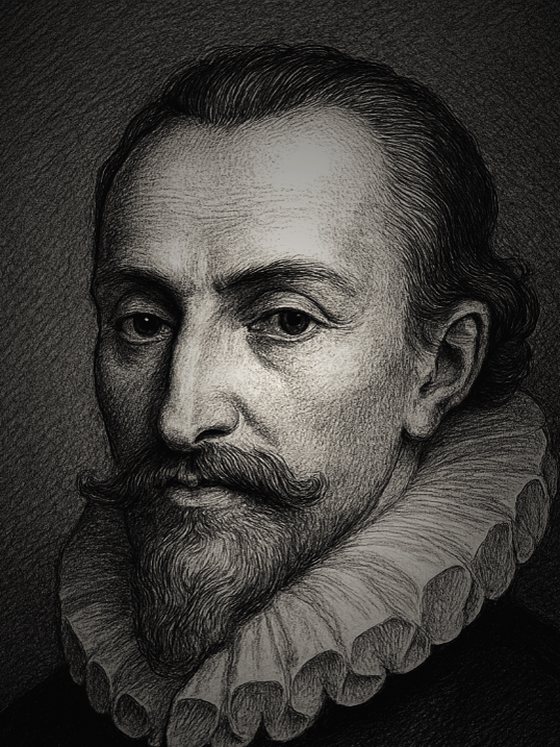
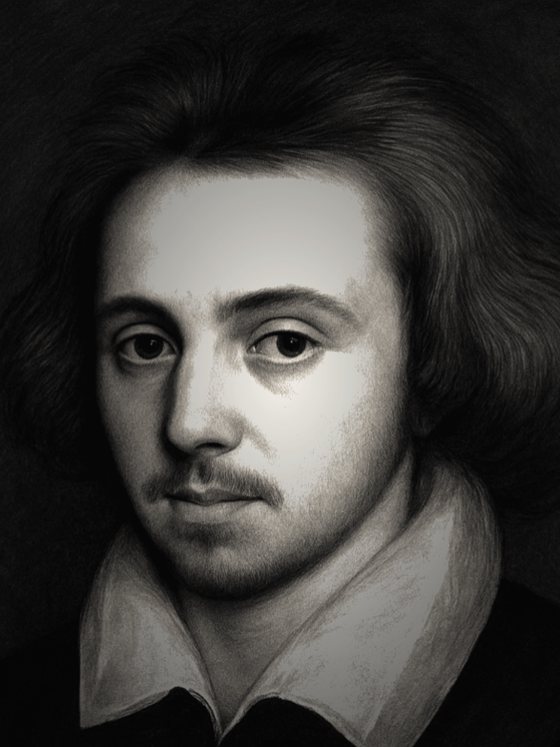
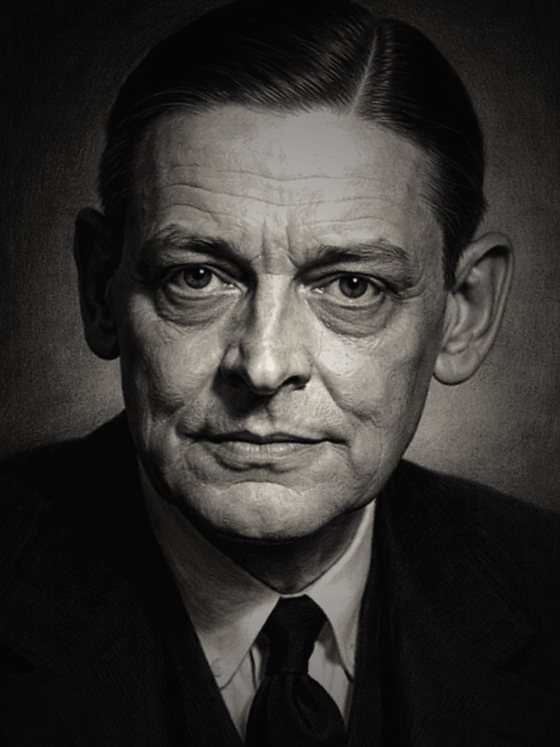
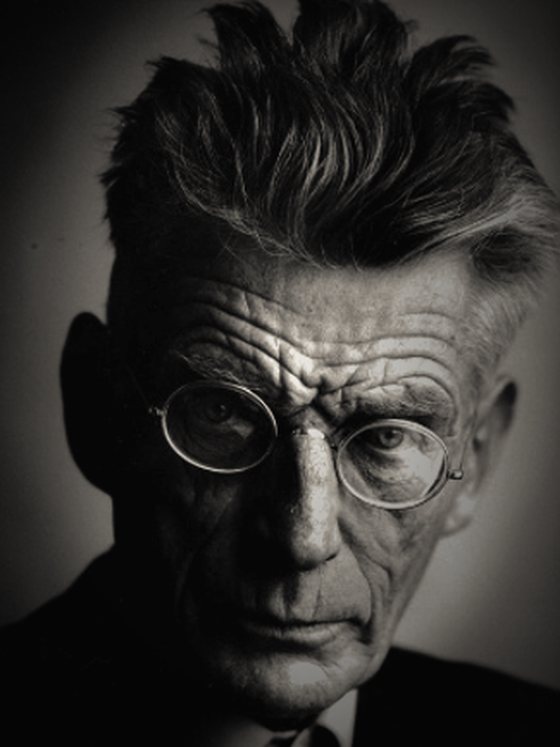
The writers you will read
Twelve writers, in order.
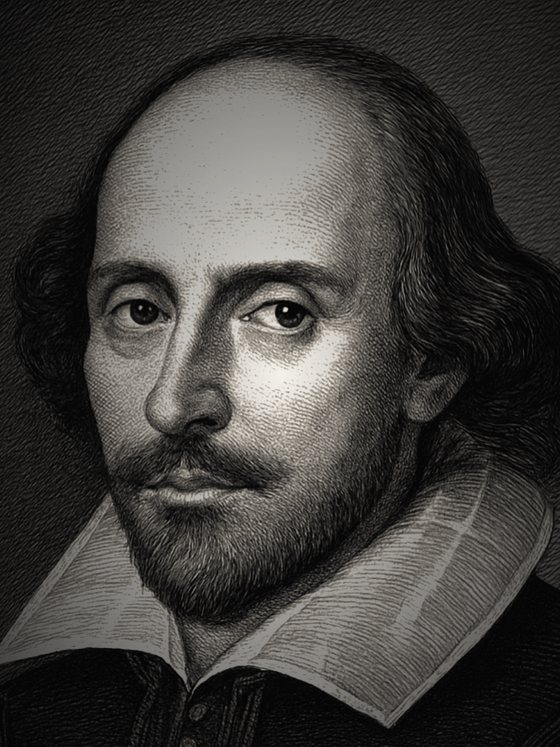
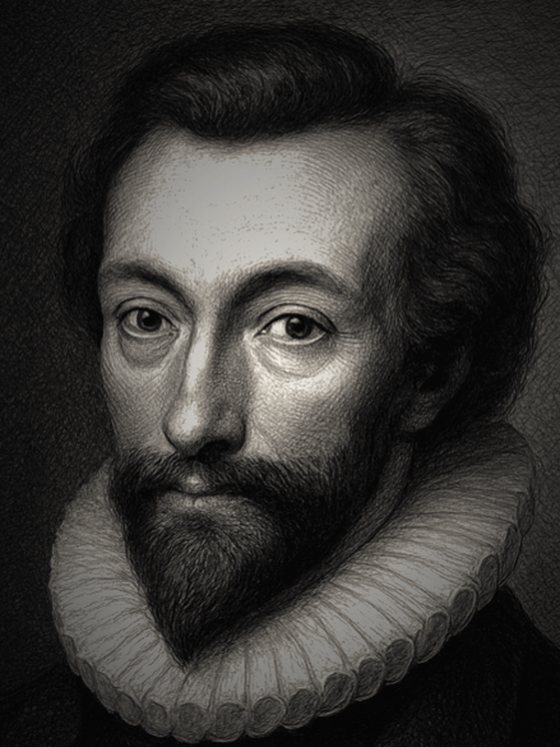
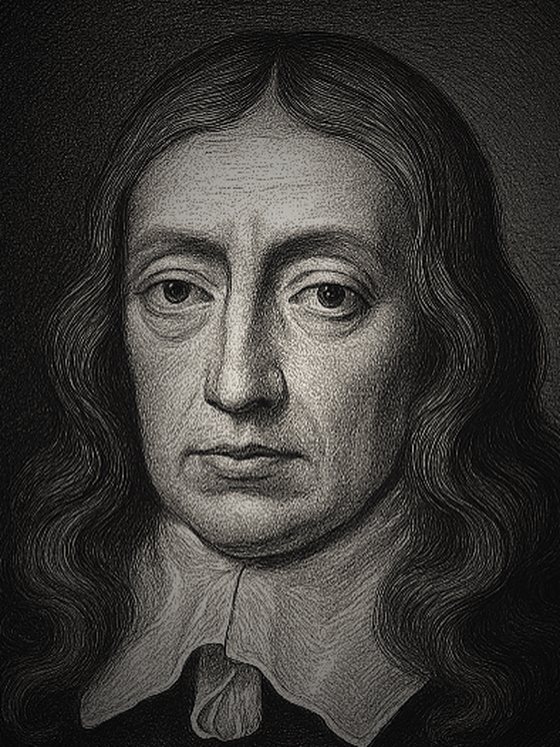
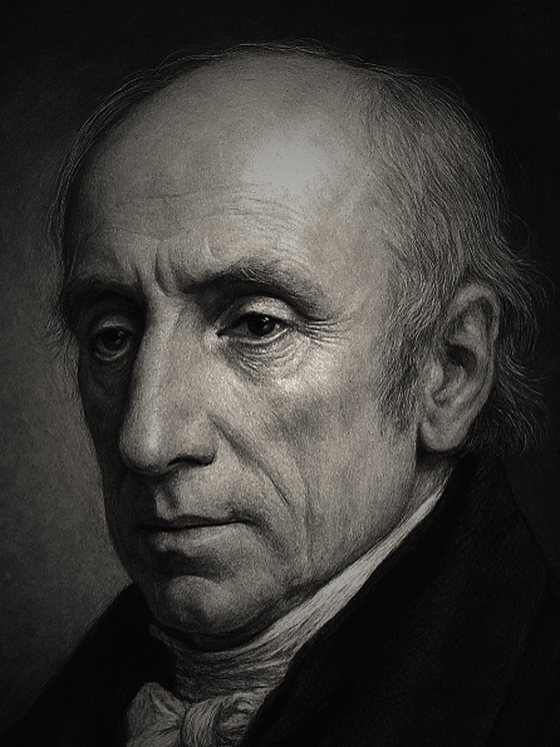
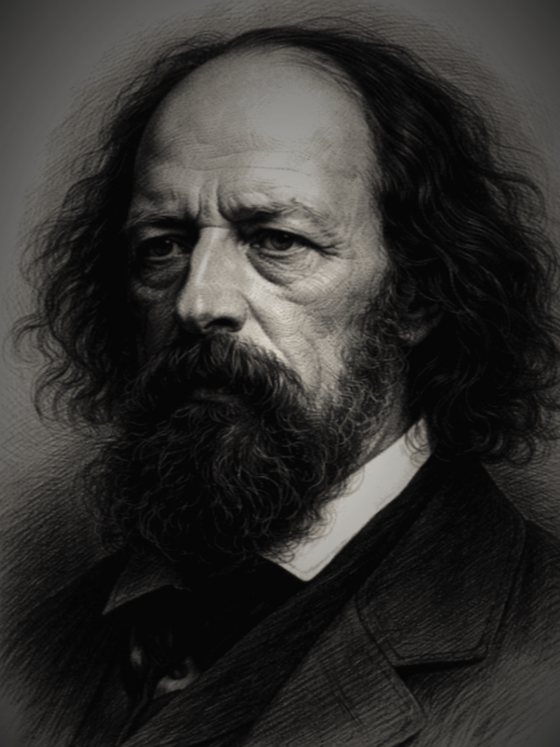
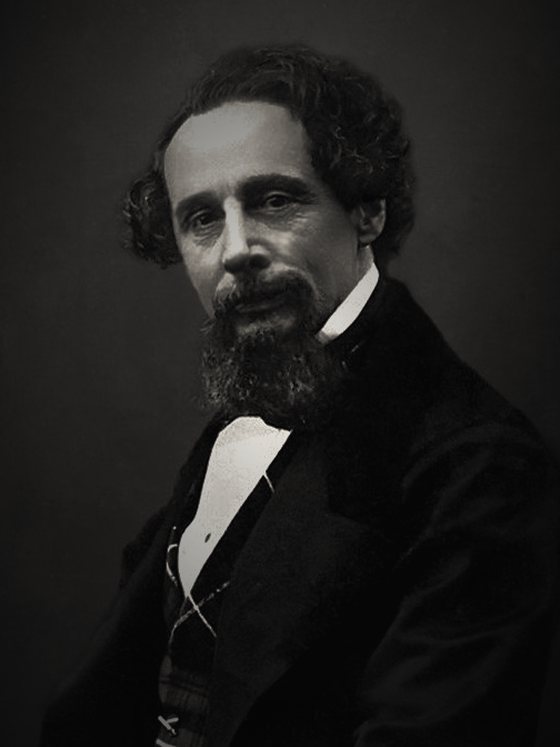
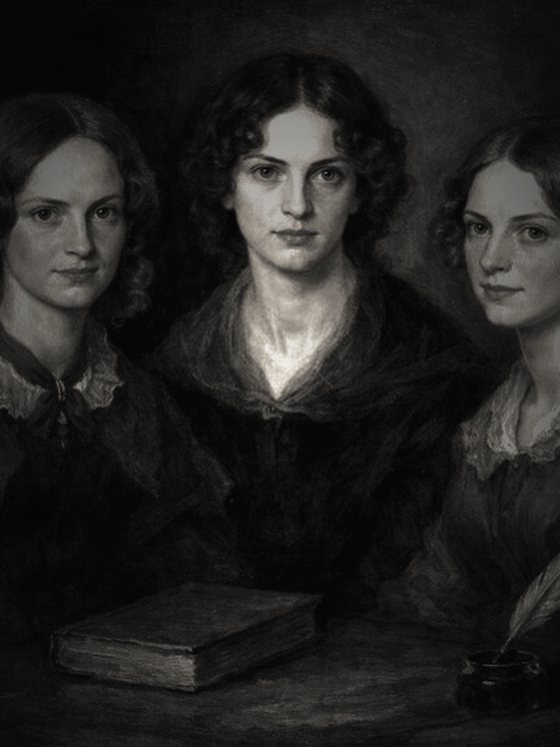
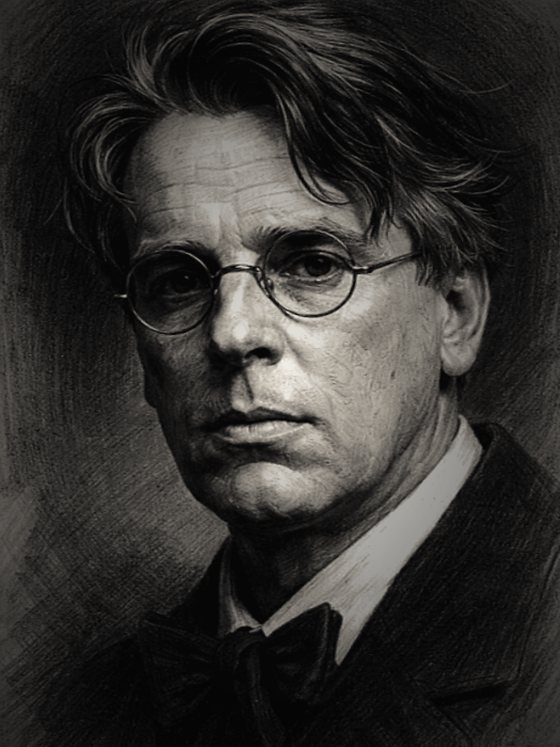
How the course works
Understand · Analyse · Practise · Revise
Every unit passes through the same four stages, and nothing is left behind once it has been studied.
- 01
Understand
Every text is placed in its period, its argument and its form before a single fact is committed to memory.
- 02
Analyse
We read closely — structure, imagery, voice, and the critical questions each work raises.
- 03
Practise
Topic tests follow each unit, with the question types the competitive examination actually uses.
- 04
Revise
Cumulative revision returns to earlier periods so the whole map stays present, not just the last thing studied.
What is included
Everything needed to sit the examination.
Lectures
Five live lectures each week for six months. A lecture you miss is summarised at the start of the next one, so nothing is lost.
The four volumes
The Evolution of English Literature — poetry, drama, prose fiction and criticism — supplied free to every registered student.
Undergraduate material
The undergraduate subjects the competitive examination draws on are revised inside the programme, at no extra charge.
Competitive questions
Question banks, previous papers and full mock competitive examinations, included free with the programme.
Follow-up
Direct contact for questions between lectures, and a reading plan adjusted to the examination you are sitting.
Small cohort
A deliberately limited number of places, so that written work can be read properly and answered individually.
Fees
One programme, one fee.
Opening fee
The first 16 places are 250,000 IQD; after them the standard fee applies. 8 of those places are left.
Standard fee 300,000 IQD
Paid in full and in advance, for the whole period, on or before the day you register. There are no instalments.
Includes
- All four volumes, free
- Undergraduate material, free within the programme
- Competitive examination questions, free within the programme
- Direct follow-up between lectures
- The four volumes
- 50,000 IQD
The complete set, bought on its own. Every student registered on the programme receives all four free.
Policies
Stated plainly, before you pay.
Lectures are live and are not recorded. If you miss one for an unavoidable reason, it is reviewed in summary at the start of the next lecture, so nothing is lost.
The fee is paid in full and in advance, for the whole period, on or before the day you register. There are no instalments.
Withdrawal before the first lecture is refunded in full. After the programme has begun, refunds are considered case by case.
Everything runs by email. All confirmations, materials, timetables and results are sent to the address given at registration.
Questions
Frequently asked
Who is Atta Ahmed?
Atta Ahmed — also written Atta Ahmed Atta, Atta Ahmed Al-Samarrai, Atta Al-Samarrai, and in Arabic عطا أحمد, عطا أحمد عطا and عطا أحمد السامرائي — is an Iraqi writer and lecturer in English Literature from Samarra, in Saladin Governorate. He holds a Bachelor's degree in English from the College of Education at the University of Samarra, is the author of The Evolution of English Literature in four volumes and of the novel The Nameless City, and teaches the programme that prepares candidates for the competitive postgraduate entrance examination. He is also a painter and an entrepreneur, and the founder of Artex.
What has Atta Ahmed written?
Four volumes of The Evolution of English Literature: English Poetry, English Drama, English Prose Fiction and English Literary Criticism. Alongside them is a novel, The Nameless City, in twenty-two chapters, which is not part of the series.
Do I need to register an account on this site?
No. There are no accounts, no passwords and no student portal. You send one registration form and everything after that reaches you by email.
How will I receive the course details?
By email, at the address you give on the form: a registration number, confirmation of your place, payment details, the start date and the full timetable.
What happens if the places fill before I register?
Registration closes automatically and the form is disabled. The next cohort is announced on this page.
Are the lectures live or recorded?
Live. Lectures are not recorded; a lecture you miss is summarised at the start of the next one, so nothing is lost.
Are the four volumes included?
Yes. Every registered student receives The Evolution of English Literature in full.
Is the programme suitable for PhD candidates?
Yes. The syllabus covers the whole field in order, which is what both Master's and PhD entrance examinations test.
Learn MoreThink BetterCreate MoreGo FurtherStay CuriousKeep LearningThink AheadDream Bigger
Registration
One form. Everything else by email.
No accounts, no portal, no passwords. Send the form and Atta Ahmed contacts you himself.
Registration open